Candy AI anime characters
Look through the illustrated cast and pick a setting you would enjoy continuing. A small detail in the opening tells you more about the story than a visual style alone.
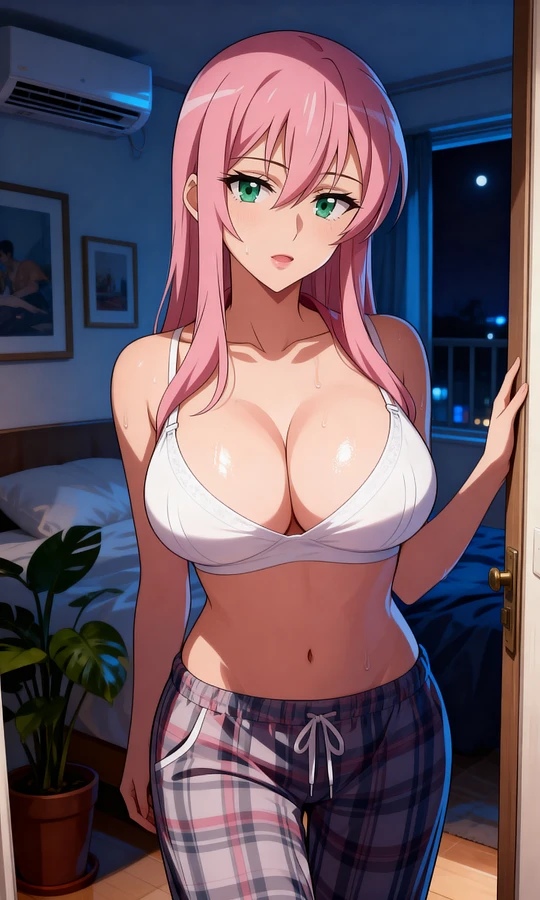
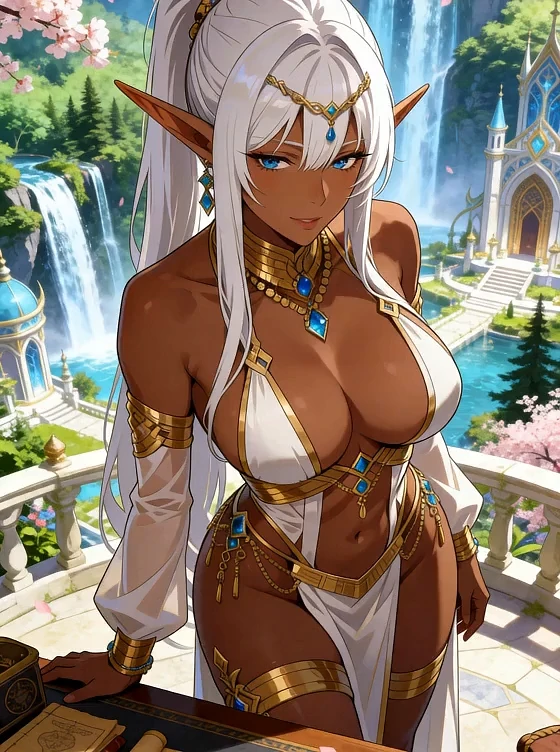
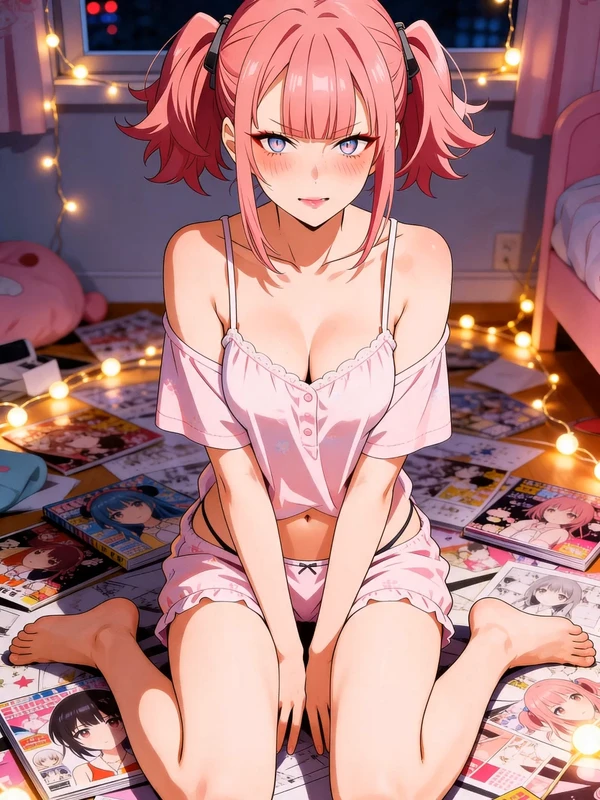
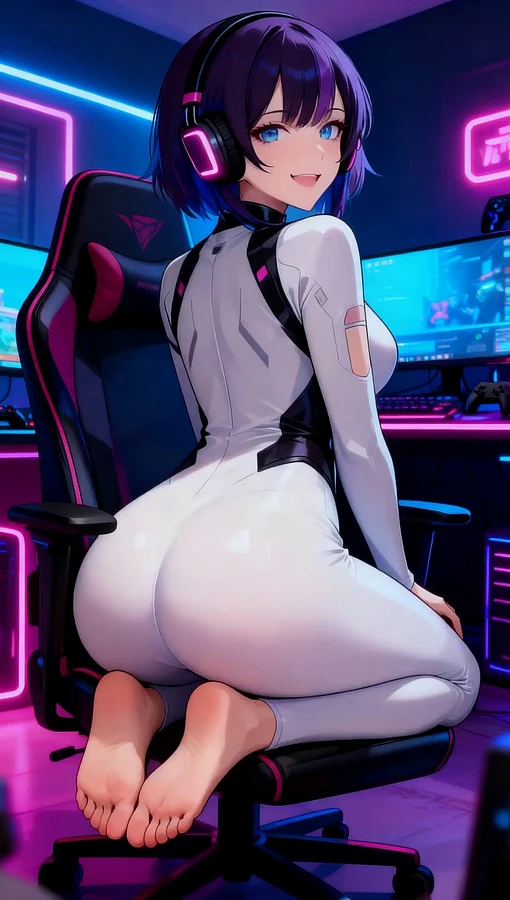
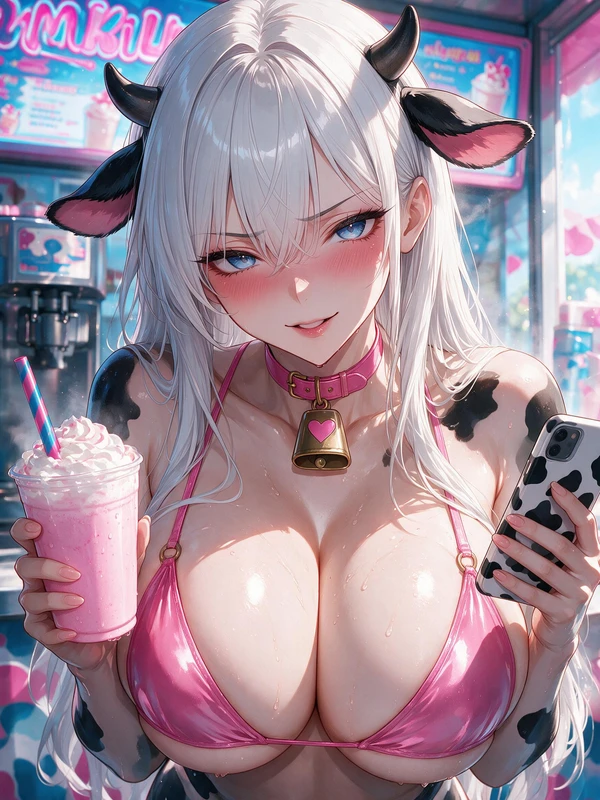
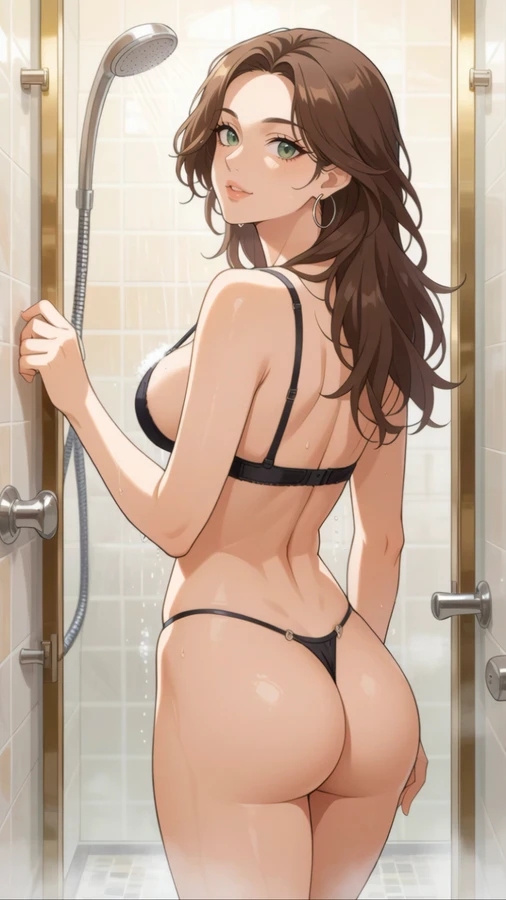
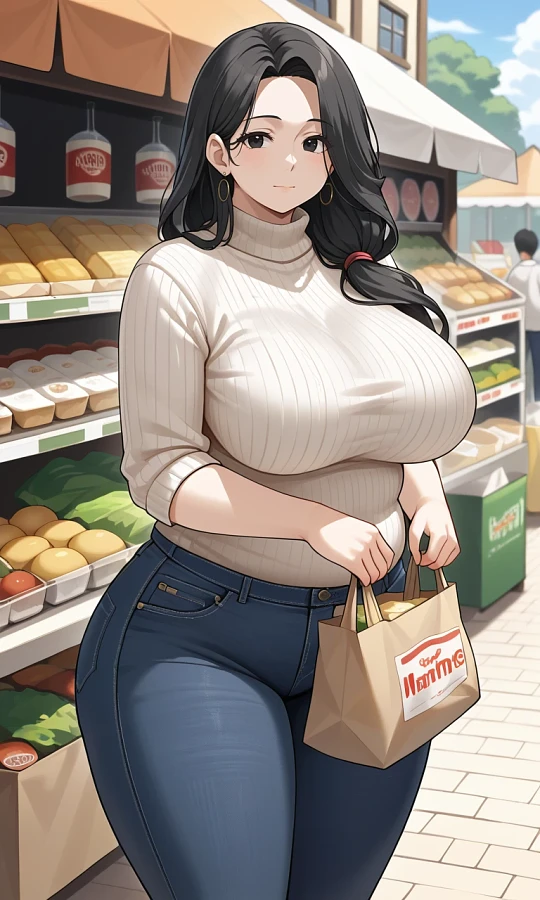
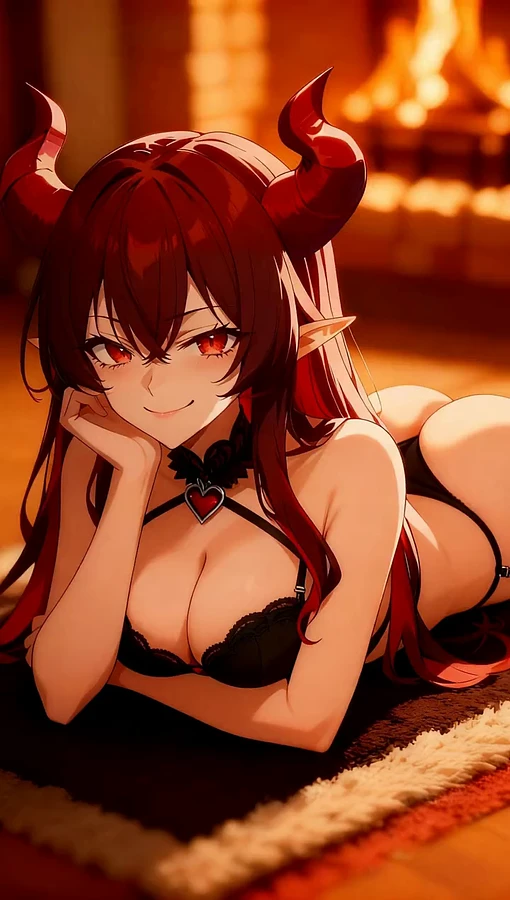
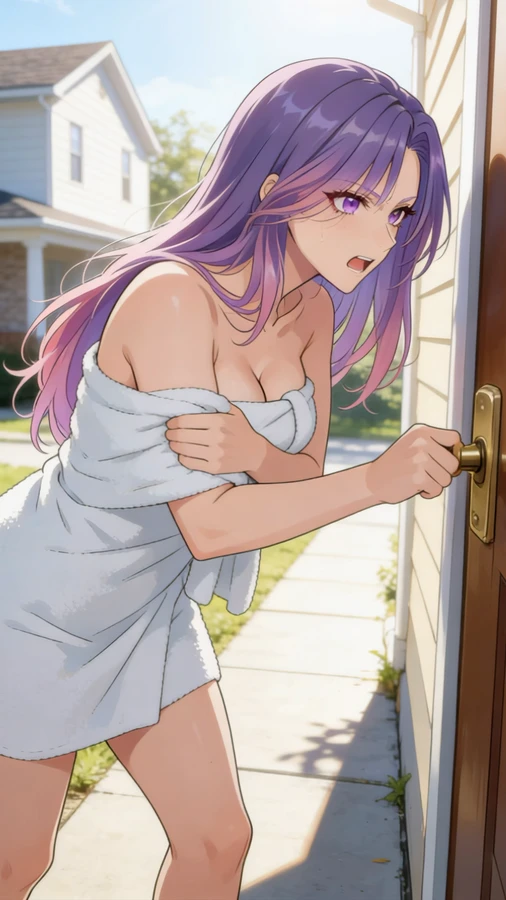
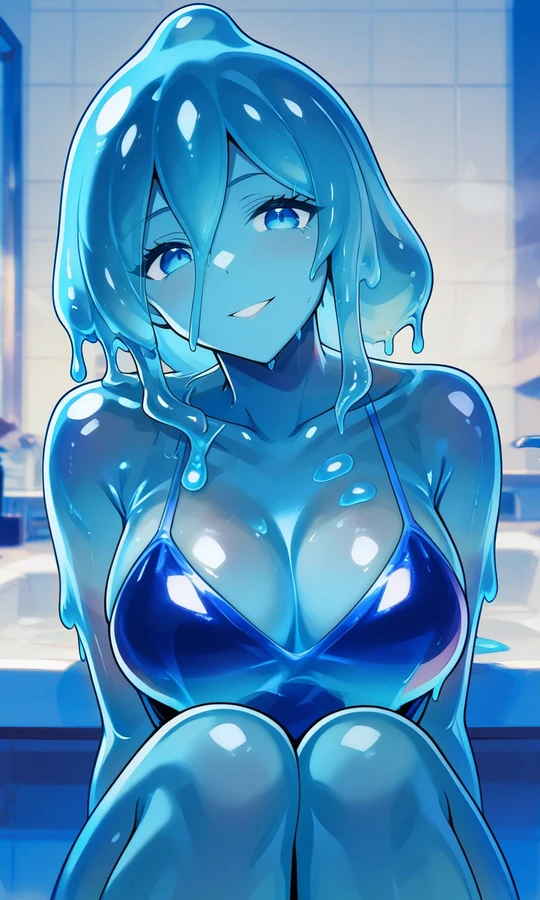

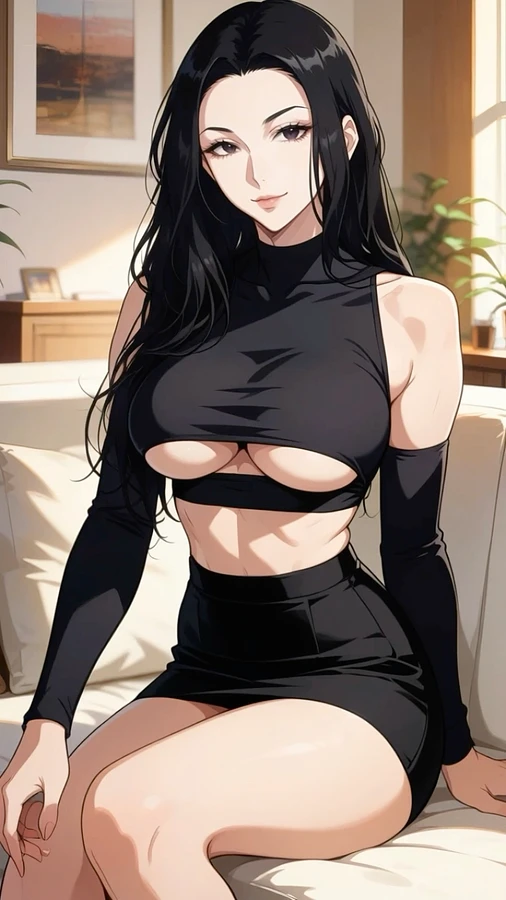
Illustrated artwork, different kinds of stories
Yama and Thalindra are examples of the illustrated companions above. A drawn portrait changes how a scene looks, not whether the character needs a context. Set the place and give the character a reason to notice something. At a late-night bookshop, you might say, "Only one light is still on. Who are you waiting for?" A fantasy scene could begin with the same question in a station where the last train never arrived.
Make a greeting fit the character
Under Anime in the builder, put the scene into the first message. Give the character something that can affect the reply: a missing book, a wrong address or a favor with a deadline. A long backstory doesn't help much if the first message never uses it.
When planning an illustrated image, mention line work or color treatment after deciding what belongs in the frame. Describe the character's pose in relation to one object, such as a hand on the handle of a folding umbrella. In a realistic interpretation, specify the light and surface rather than assuming the artwork will carry those details over.
Choose before you start a chat
Open a card to compare the names and presentation with the realistic profiles. A visual category isn't a different allowance or a guarantee about the character's voice. The chat guide explains how to start with a scene and what changes when you switch to audio.